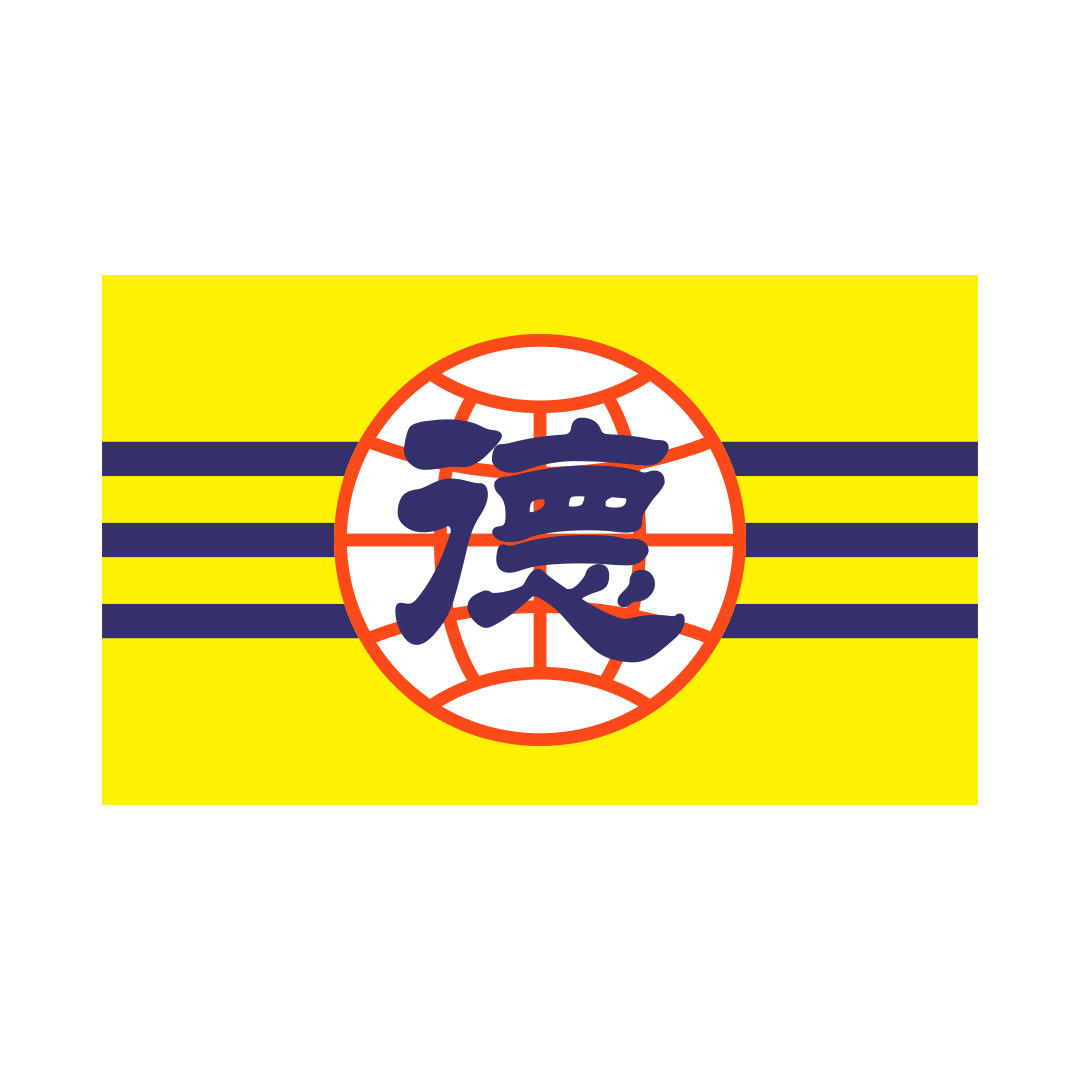
Dejiao (德教) originated in the Chaoshan region of Guangdong, China in 1939, and spread to Southeast Asia, especially Singapore, Malaysia and Thailand. After the end of World War II, Dejiao (德教) began to develop beyond Chaoshan, spreading to Hong Kong and Southeast Asian countries, and established in Singapore, Malaysia and Thailand.
Dejiao (德教) advocates the virtues and teachings from the five religions: Taoism, Buddhism, Confucianism, Christianity, and Islam. Our objective is to promote moral uplifting, virtuous thoughts and to do charity. We are committed to providing medical relief and donation to charitable organisations and to those in need.
Fuji (扶乩) is an important religious activity in the creation and development of Dejiao (德教) and is also known as “Fu Luan” (扶鸾), which is a way Buddha and the deities communicate to devotees through the written messages.